
teaching philosophy
TL;DR
In my teaching, I:
focus on contemporary styles;
centre lessons around music each student genuinely loves and wants to play;
guide progression based on the student’s long-term desires and goals;
continually develop my own craft, because the best teachers are lifelong students.
(too long, don’t read)
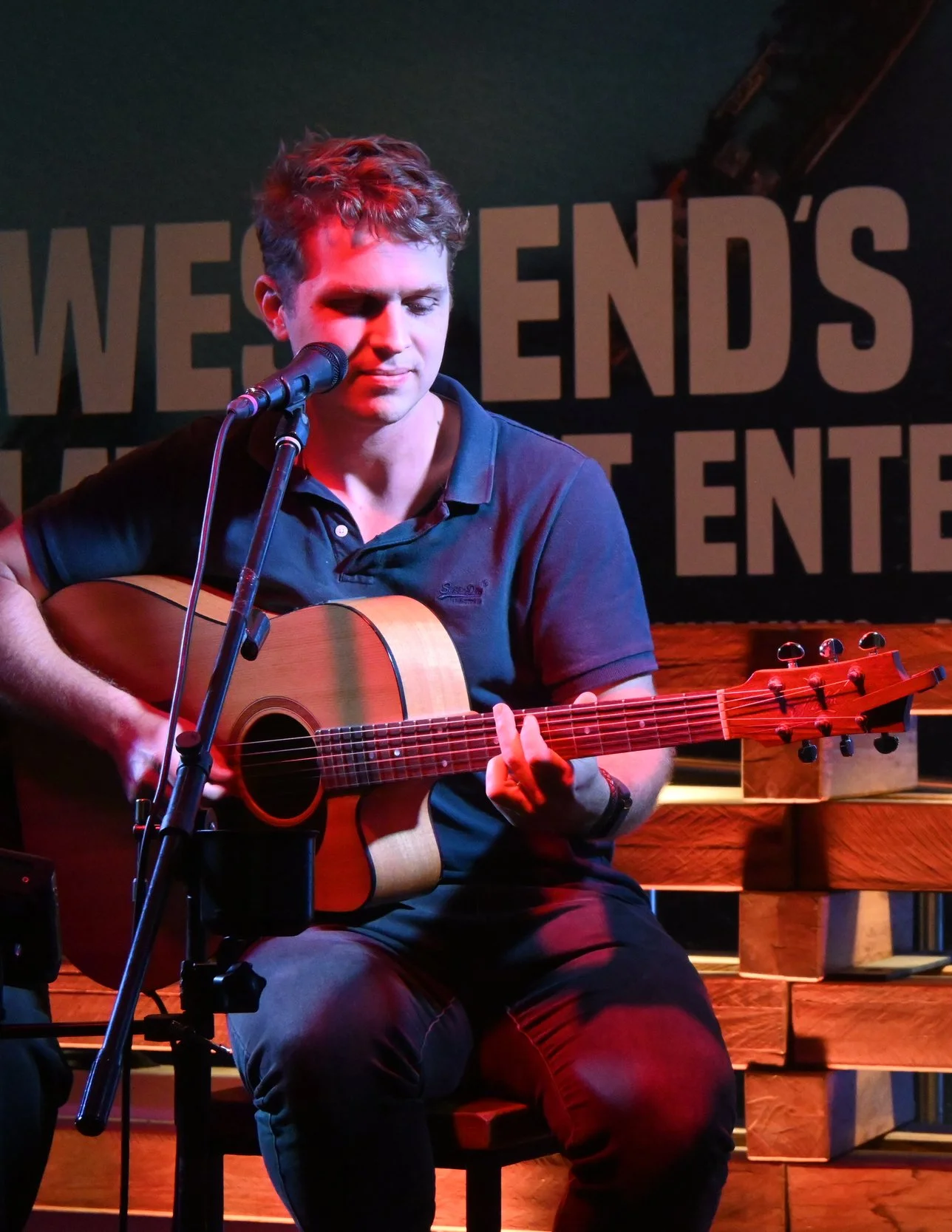
My Story
I’ve been lucky to have music in my life for as long as I can remember – it’s always been there, and my parents made a significant investment in my musical education. In hindsight, though, I feel like some of that was misplaced. I started on piano, then moved to saxophone, and while I enjoyed the lessons themselves (thanks to some very good teachers), that feeling never really carried over into my own time. It just didn’t give me much of a buzz. Practice felt like a chore – something I had to do, not something I wanted to do. As a result, I tended to practise very little. I remember being told that “[insert trending popstar] didn’t always feel like practising”, but when I actually sat down to play, there was no real motivation.
Everything changed in my teenage years when I picked up the guitar, and later started to sing. All of a sudden, I was playing songs I actually loved listening to, rather than repertoire selected in a grade book or chosen for me. When I added singing into the mix, it unlocked something new again – now, with just an acoustic guitar and my voice, I could create something that resembled the music I loved on the radio.
That shift made a huge difference. I started doing more practice, performing solo at school, and then later playing gigs at restaurants. I got positive feedback from people, which encouraged me even more to get better and better.
Now I realise that practice isn’t supposed to be something you dread – it should be something you enjoy. Even the “boring” stuff (…scales…) started to feel worthwhile, because it was all helping me build toward something bigger; something I loved and was proud of. Over time, I built confidence – not just musically, but confidence in myself more broadly. Music became – and still is – a core part of my identity.
As I got more into the music I loved, some things happened:
I found that my appreciation for other musical styles grew as well. With the help of great teachers, I rediscovered jazz and developed a real respect for it, even though my younger self found it pretty tedious.
I fell in love with soul / Motown – styles which (along with indie rock) I most enjoy playing and singing today.
I started writing my own music, blending the sounds that resonated with me most.
That cycle of enjoying, learning, and practising kept going and going, until I decided that I want music to be a core part of my life.
These experiences have shaped how I teach. I strongly believe music learning should start from a place of genuine connection – if you love punk rock, then you should play punk rock! If you just want to strum a few chords by a campfire, that’s completely fine too (and you might surprise yourself and find it’s a starting point for something deeper). Progress for the sake of progress isn’t the goal; it’s so important to keep the joy of music front and centre. When done right, it becomes something far more meaningful – something that brings people together, reminds us what it means to be human, and stays with you for life.
“Music produces a kind of pleasure which human nature cannot do without.”
(Confucius)